


05 Aug Career Opportunities: B.Ed vs D.El.Ed
Choosing a teaching course is not just about the next two years. Instead, it is about the next twenty years of your professional life. Therefore, career opportunities should be one of the biggest deciding factors when choosing your right course. Both B.Ed and D.El.Ed prepare students for teaching. However, the range of opportunities differs considerably.
A D.El.Ed graduate is mainly trained to teach at the elementary level. In contrast, a B.Ed graduate develops expertise for teaching higher classes and specialized subjects. As education evolves, schools increasingly seek teachers who possess both subject knowledge and professional teaching skills.
Consequently, a B.Ed qualification often opens more doors for long-term career growth.

Career Scope After B.Ed
A B.Ed degree offers versatility. Graduates can explore multiple roles across the education sector.
Private Schools
Most private schools prefer professionally trained B.Ed graduates. Teachers with strong classroom skills are highly valued for secondary and senior secondary education.
Government Schools
A B.Ed degree is widely accepted for teaching positions in government schools, subject to meeting the applicable recruitment criteria, entrance examinations, and state or central government regulations.
Educational Institutions
Many coaching centres, educational academies, and learning institutes recruit B.Ed graduates because they possess practical teaching experience.
Curriculum and Content Development
The rise of digital education has created opportunities beyond traditional classrooms. B.Ed graduates can contribute to curriculum planning, instructional design, educational publishing, and academic content creation.
School Administration
With experience and higher qualifications, teachers can progress to leadership positions such as academic coordinators, vice principals, principals, and education administrators.

Government Job Opportunities
Government teaching jobs remain one of the biggest aspirations for many students because they offer stability, career progression, and social respect.
Both qualifications can support eligibility for different teaching roles, depending on the applicable recruitment rules.
After B.Ed
Depending on government recruitment notifications and eligibility requirements, graduates may pursue opportunities such as:
- Secondary School Teacher
- Senior Secondary Teacher
- Government School Teacher
- Educational Officer
- Academic Coordinator
Many recruitment processes also require candidates to qualify in prescribed teacher eligibility examinations and follow the relevant rules and regulations.
After D.El.Ed
Graduates may pursue teaching positions primarily related to elementary education, subject to applicable eligibility criteria and recruitment rules.
Salary Comparison
While salary depends on experience, employer, location, and recruitment policies, qualification often influences long-term earning potential. A B.Ed degree often provides greater opportunities for professional advancement. As teachers gain experience, pursue higher education, and develop specialized skills, they may become eligible for leadership and administrative roles.
- B.Ed: The long-term growth rate is higher as better, and career opportunities are much more diverse and enhanced.
- D.El.Ed: Long-term growth rate remains limited to lower levels of the pyramid of education.

Higher Education Opportunities
Learning does not stop after earning a teaching qualification. A B.Ed degree creates a strong foundation for advanced academic growth. Graduates may choose to pursue:
- M.Ed (Master of Education)
- Educational Research
- Ph.D. in Education
- Educational Leadership
- Guidance and Counselling
- Curriculum Development
- Educational Technology
These qualifications can lead to careers in universities, teacher training institutes, educational consulting, and policy development. Although D.El.Ed graduates can also continue their education, B.Ed generally provides broader pathways into advanced professional qualifications.
Why Many Students Choose B.Ed Today?
The education sector has changed significantly over the last decade. Today’s teachers are expected to do much more than deliver lectures. They must engage students, integrate technology, promote critical thinking, and support diverse learning needs. As a result, schools increasingly value educators who have received comprehensive professional training. A B.Ed program addresses these expectations by combining theory with practical classroom experience.
Students learn how to:
- Design engaging lesson plans.
- Manage classrooms effectively.
- Use educational technology.
- Evaluate student learning.
- Adapt teaching methods for different learners.
- Build confidence through practical teaching.
These experiences help graduates transition smoothly into professional teaching roles.
Choosing the Right College Matters
Selecting the right course is important. Choosing the right institution is equally important. A quality teacher education college provides more than lectures. It creates an environment where future educators can develop confidence, professionalism, and practical teaching skills.
Students should consider factors such as:
- University affiliation
- Experienced faculty
- Practical teaching opportunities
- Academic support
- Infrastructure
- Library facilities
- Learning environment
- Transparent admission process
- Compliance with university rules and regulations
These elements contribute significantly to a student’s overall learning experience.
Why DIMT College Will Be a Smart Choice?
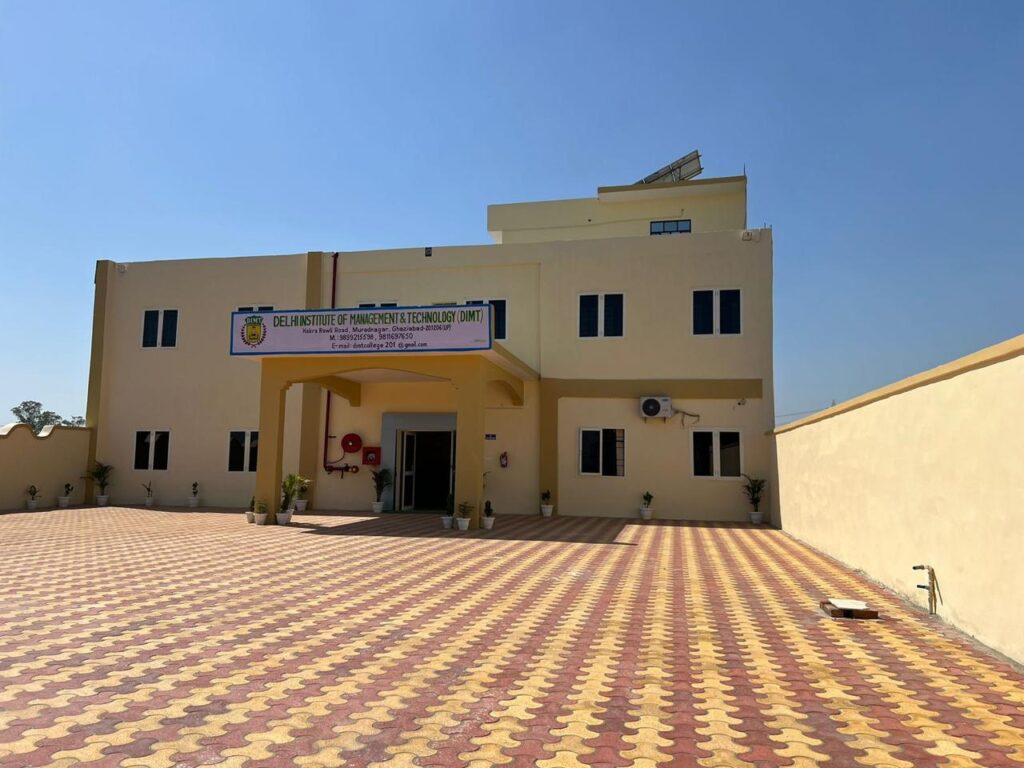
If you are looking for a B.Ed program in the Delhi NCR region, choosing a trusted institution can make a meaningful difference. DIMT College, located in Muradnagar, Ghaziabad, and affiliated with CCS University, offers a two-year B.Ed program designed to help aspiring teachers build a strong professional foundation.
Students benefit from:
- Affordable and low fee structure.
- Experienced faculty with 25+ years in education.
- Comprehensive study material.
- Practical teaching exposure.
- Offline classroom learning that encourages interaction and confidence.
- Academic guidance throughout the program.
- A supportive learning environment focused on future educators.
Rather than simply completing a degree, students gain practical skills that prepare them for real classrooms.
B.Ed or D.El.Ed: Which One Should You Choose?
The answer depends on your career goals. If you ought to teach young children at the elementary level, D.El.Ed can be a suitable option.
However, if you aspire to build a long-term teaching career with broader opportunities, subject specialization, professional growth, and higher education pathways, with better compensations, B.Ed stands out as the more comprehensive qualification. It not only strengthens your teaching abilities but also prepares you for an evolving education landscape where skilled educators are increasingly in demand.
Moreover, the flexibility of a B.Ed qualification allows graduates to explore diverse opportunities within education, making it a valuable investment for the future.
No Comments